Sandwich Delivery Systems Explained

Discover the fascinating world of food delivery logistics. Learn how sandwiches travel from kitchen to customer through complex urban delivery networks designed for speed, safety, and efficiency.

Explore Delivery Workflow
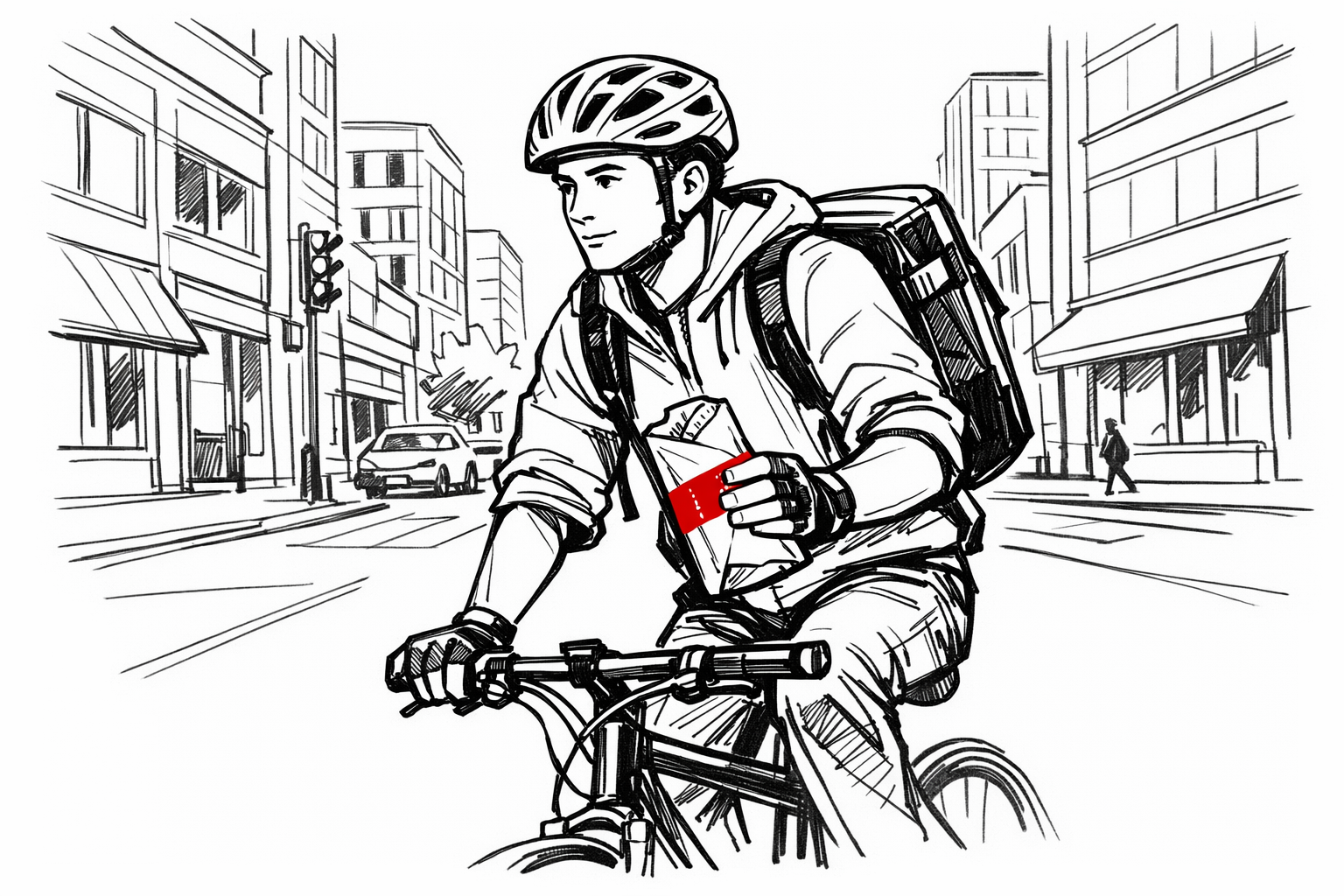
Delivery courier on bicycle carrying sandwich package in city environment

Important Disclaimer

This website is an independent informational resource and is not affiliated with sandwich shops, restaurants, or delivery platforms. This website does not provide food ordering, delivery services, or payment processing.

Understanding Sandwich Delivery

Modern sandwich delivery represents a sophisticated intersection of culinary arts, logistics management, and urban transportation. What appears simple on the surface—a customer orders food and receives it at their doorstep—involves an intricate web of processes designed to ensure freshness, safety, and timely arrival.

The sandwich delivery industry has evolved dramatically over the past decade, driven by technological advancements, changing consumer expectations, and the growth of third-party delivery platforms. Understanding these systems provides valuable insight into how urban food distribution operates in the contemporary landscape.

Customer Experience

The delivery process begins with customer expectations. Modern consumers anticipate real-time tracking, accurate delivery windows, and food that arrives in optimal condition. Meeting these expectations requires coordinated efforts across multiple systems.

Preparation Phase

Kitchen operations form the foundation of successful delivery. Sandwiches must be prepared with delivery in mind, considering factors like temperature stability, structural integrity during transport, and packaging requirements that preserve quality.

Timing Precision

Delivery timing involves precise coordination between order receipt, preparation completion, driver assignment, and route optimization. Each step must be carefully synchronized to minimize wait times while maintaining food quality.

The Delivery Journey

Every sandwich delivery follows a structured journey from the moment an order is placed until it reaches the customer. This workflow has been refined through years of operational experience and technological development to create an efficient system capable of handling high volumes while maintaining quality standards.

Order Receipt and Validation

When a customer places an order through a digital platform, the system immediately validates the request. This includes confirming the delivery address falls within the service area, verifying payment authorization, and checking that all requested items are available. The order is then transmitted to the restaurant's kitchen display system.

Preparation and Quality Control

Kitchen staff prepare the sandwich following standardized recipes and procedures optimized for delivery. Special attention is paid to ingredient placement that prevents sogginess, proper wrapping techniques, and inclusion of any requested condiments or sides. A quality check ensures the finished product meets standards before packaging.

Packaging for Transport

The sandwich is packaged using materials designed to maintain temperature, prevent crushing, and protect against contamination. This typically involves a combination of insulated bags, rigid containers, and protective wrapping. Labels identify the order and any special handling requirements.

Driver Assignment and Pickup

Algorithms match the order with an available delivery driver based on proximity, current workload, and estimated completion time. The driver receives notification with pickup location and navigates to the restaurant. Upon arrival, the packaged order is verified and transferred to the driver's insulated delivery bag.

Route Navigation and Delivery

Using optimized routing software, the driver follows the most efficient path to the delivery destination. Traffic conditions, road closures, and time-of-day patterns are factored into the route calculation. The customer can often track progress in real-time through the ordering platform.

Completion and Confirmation

Upon arrival, the driver delivers the order to the specified location. Modern systems may include photo verification of delivery, digital signature capture, or simply confirmation through the driver's app. The order is marked complete in the system, triggering any follow-up communications or feedback requests.

For a detailed breakdown of each stage in the delivery process, visit our comprehensive Delivery Workflow guide.

Logistics Fundamentals

Behind every successful sandwich delivery operation lies a complex logistics network. These systems draw from principles developed in supply chain management, transportation engineering, and operations research to create efficient delivery networks capable of serving urban populations.

Network Design

Delivery networks are structured around hubs—typically restaurants or ghost kitchens—strategically positioned to maximize coverage within acceptable delivery times. The density and placement of these hubs directly impacts delivery speed and operational efficiency.

Urban delivery networks must account for geographic barriers, traffic patterns, and population density when determining optimal hub locations and service boundaries.

Fleet Management

The vehicles and drivers that comprise the delivery fleet represent significant operational resources. Fleet management encompasses vehicle maintenance, driver scheduling, capacity planning, and real-time dispatch optimization to ensure adequate coverage during peak demand periods.

Modern delivery operations increasingly utilize mixed fleets combining bicycles, scooters, cars, and even walking couriers to match vehicle type to delivery distance and urban constraints.

Technology Integration

Digital platforms coordinate every aspect of the delivery process. Mobile apps provide customer interfaces, GPS tracking enables real-time monitoring, and algorithmic dispatch systems optimize driver assignment and routing. These technologies work together to create a seamless experience for all participants.

Machine learning and artificial intelligence increasingly power demand forecasting, dynamic pricing, and predictive routing to improve efficiency and customer satisfaction.

Did You Know? The average sandwich delivery in a major metropolitan area involves coordination between at least three separate technology platforms: the ordering system, the restaurant management system, and the delivery dispatch platform. Each must communicate seamlessly to ensure successful delivery.

Explore More About Sandwich Delivery

Continue learning about the systems, methods, and innovations that make modern sandwich delivery possible. Our comprehensive guides cover every aspect of urban food delivery logistics.

Delivery Workflow Urban Systems Packaging Methods